
The LED face mask trend is everywhere — Instagram, dermatology clinics, Amazon best-seller lists. But the real question is:
Do LED face masks actually work, or are they just expensive glowing Halloween props?
I reviewed more than 50 clinical studies on LED light therapy (also called photo- bio-modulation) to give you a science-backed answer.
No fluff. No influencer hype. Just data.
What Is LED Light Therapy?
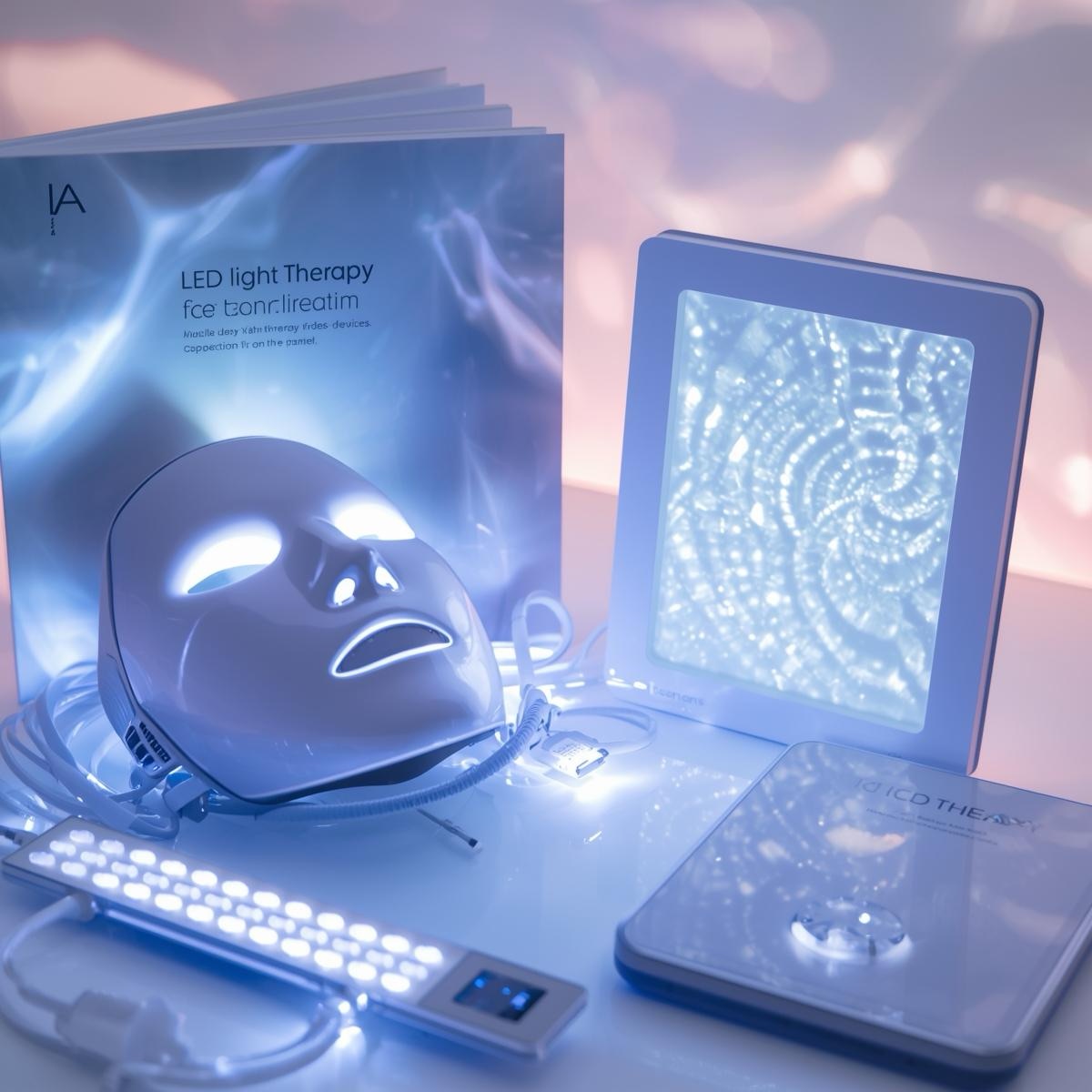
LED (Light Emitting Diode) therapy uses specific wavelengths of visible light to stimulate biological processes in the skin.
Unlike lasers, LED therapy:
- Is non-invasive
- Does not burn or damage tissue
- Works through cellular stimulation
NASA originally studied LED light therapy to help with wound healing in space. Today, dermatologists use it for acne, inflammation, and signs of aging.
the many Different Colors:
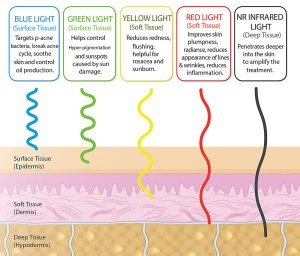
The five main colors we are focusing on today are Blue, Red, green, yellow, and near infrared . Each one having a different target in mind.
Do LED Face Masks wWork for Acne?
Short Answer: Yes — for mild to moderate acne.
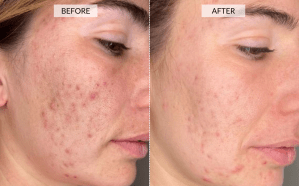
Blue light therapy (typically around 415 nm wavelength) targets Cutibacterium acnes, the bacteria involved in acne breakouts.
Multiple peer-reviewed studies have found:
- Significant reduction in inflammatory acne lesions
- Reduced oil production
- Decreased redness
A 2017 review published in The Journal of Clinical and Aesthetic Dermatology concluded that blue light therapy is effective for inflammatory acne, particularly when used consistently over several weeks.
Another controlled trial showed participants experienced up to a 60% reduction in acne lesions after 8 weeks of treatment.
Why it works:
Blue light penetrates the skin and activates compounds inside acne-causing bacteria, destroying them without antibiotics.
Do LED Face Masks Work for Wrinkles and Anti-Aging?
Short Answer: Yes — red light shows measurable collagen stimulation.
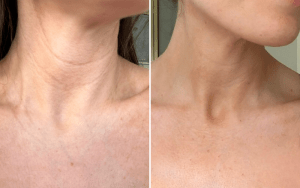
Red light therapy (typically 630–660 nm) penetrates deeper layers of skin and stimulates fibroblasts — the cells responsible for collagen production.
Clinical findings show:
- Increased collagen density
- Improved skin elasticity
- Reduction in fine lines
- Faster wound healing
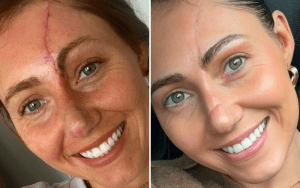
A 2014 randomized clinical study found significant improvement in skin complexion and collagen density after consistent red light therapy treatments over 12 weeks.
Photobiomodulation increases ATP (cellular energy), which enhances tissue repair and collagen production.
Translation:
It helps skin behave younger at a cellular level.
Green, Yellow, and Near-Infrared Light — Do They Work?
The evidence here is less robust but promising.
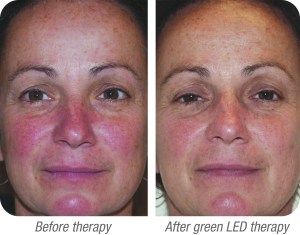
🔅Green light:
- May help reduce hyperpigmentation
- Can calm redness
🔅Yellow light:
- Often marketed for rosacea
- Limited high-quality clinical evidence
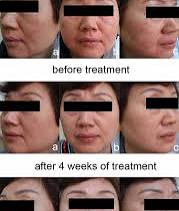
🔅Near-infrared light:
- Penetrates deeper tissue
- Used in wound healing and inflammation studies
Most strong research focuses on blue and red wavelengths.
At-Home LED Masks vs. In-Office Treatments
This is where people get confused.

Professional dermatology devices:
- Higher power output
- Controlled clinical settings
- Faster visible results
At-home LED face masks:
- Lower intensity
- Require consistent use (3–5 times weekly)
- Slower but still effective over time
Several studies confirm that lower-energy LED devices can still stimulate collagen and reduce acne when used consistently.
Consistency matters more than intensity.
How Long Until You See Results?
Based on clinical research:
Acne:
4–8 weeks
Collagen / wrinkles:
8–12 weeks
Most studies use:
10–20 minute sessions
3–5 times per week
If someone says they saw dramatic results in 3 days, that’s likely placebo or temporary inflammation reduction.
Are LED Face Masks Safe?
According to multiple dermatological reviews:
- Non-invasive
- No UV radiation
- Minimal side effects
Some users may experience:
- Mild redness
- Temporary dryness
Avoid if:
- You are on photosensitizing medications
- You have epilepsy triggered by light
Overall, LED therapy is considered very safe when used as directed.
The Biggest Myths About LED Face Masks

Myth 1: They burn your skin.
False. LED therapy does not produce heat damage like lasers.
Myth 2: They replace retinol.
False. They complement skincare — not replace active ingredients.
Myth 3: All masks are equal.
False. Wavelength accuracy and energy output matter.
What the Science Actually Says (Summary of 50+ Studies)

Across acne and anti-aging research, evidence shows:
🔅Blue light reduces inflammatory acne
🔅Red light stimulates collagen production
🔅Consistent use is required
🔅Results are gradual but measurable
🔅They are safe for most skin types
🔅LED masks are not magic.
🔅But they are not a scam either.
They sit in the middle — clinically supported, but dependent on proper use.
Who Should Consider an LED Face Mask?
You’re a good candidate if:
- You have mild to moderate acne
- You want gradual anti-aging support
- You prefer non-invasive skincare
- You are consistent with routines
You are not a good candidate if:
- You expect overnight transformation
- You want to treat severe cystic acne alone
- You won’t use it regularly
Final Verdict: Do LED Face Masks Actually Work?
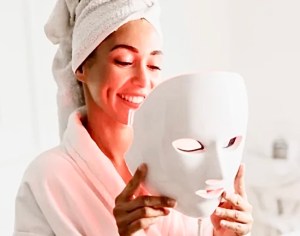
Yes — when used correctly and consistently.
The strongest evidence supports:
- Blue light for acne
- Red light for collagen stimulation
They are not miracle devices. They are clinically supported tools.
And when used as part of a complete skincare routine, they can absolutely improve skin health over time.
Disclosure: This article ma earn commission. Thank you so much for reading!

Leave a Reply